
Cleaning Your Teeth
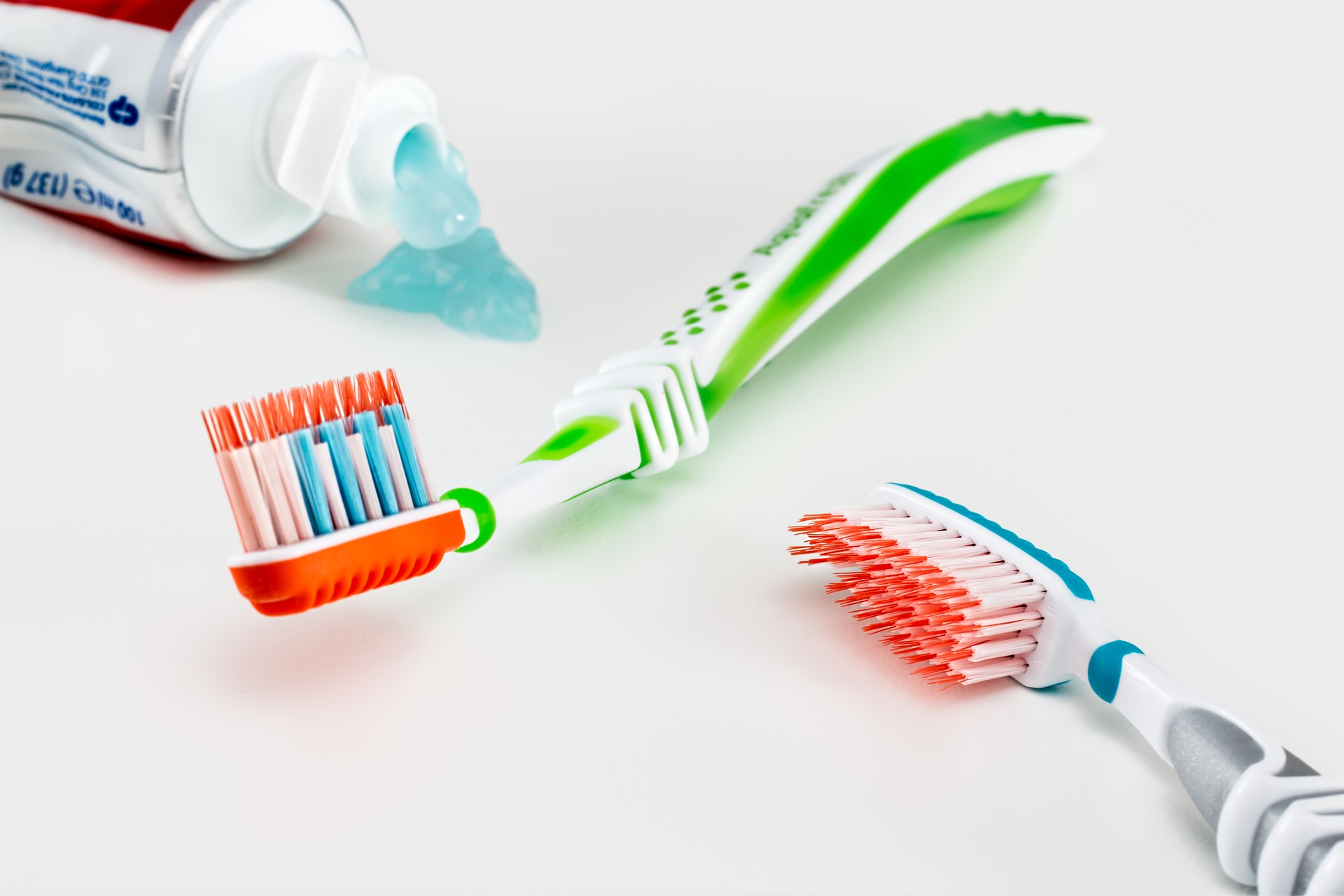
Cleaning teeth can be done using different types of brushes—manual, electric, interdental brushes, dental floss, and oral irrigators.
Toothbrushes
The head of the toothbrush should be appropriate for reaching all surfaces of the back teeth. Notice how often the back teeth are affected by cavities! When brushing is done correctly, manual toothbrushes are just as effective as electric ones.
Dental Floss
Floss is used to clean hard-to-reach areas where toothbrush bristles cannot reach. Cavities often develop between teeth unnoticed, and by the time the first symptoms appear, the decay may already be deep or even involve the pulp. Floss slides easily between teeth, but if cavities or poorly adapted old fillings exist, the floss may tear. Old fillings should be replaced, and newly developed cavities treated.
Floss is made of multiple strands and can be waxed or unwaxed. Waxed floss is easier to insert between tightly spaced teeth and is recommended for young patients. Unwaxed floss has better diagnostic properties, as it more easily detects decay or poorly adapted fillings. Some specialized flosses have a brush-like texture (e.g., Brush & Floss; SuperFloss). Many flosses are flavored with mint.
Oral Irrigators (Water Flossers)
These devices help reduce plaque and gum inflammation. Rinsing can be done with water or antiseptic solutions to increase effectiveness. Some irrigators mix water with air, which aerates the bacterial environment and reduces pathogenic potential.
Most irrigators have two modes: a single stream for removing food debris and cleaning interdental spaces, and a variable stream for cleaning tooth surfaces and massaging the gums. Water pressure can be adjusted according to personal preference.
Chemical Plaque Control: Mouthwashes and Toothpastes
Mouthwashes and toothpastes act in different ways: they inhibit plaque formation, prevent its adhesion to teeth, or break it down, facilitating mechanical removal. Plaque-inhibiting agents are included in toothpaste, rinses (mouthwash or irrigator solutions), gums, and lozenges. These primarily act on supragingival plaque, while subgingival plaque must be removed professionally by a dentist.
Mouthwash
Mouth rinsing plays a secondary, supportive role to mechanical cleaning with brushes, interdental brushes, and floss. Regular use reduces plaque, suppresses pathogenic bacteria, lowers the risk of cavities and gum inflammation, helps with tonsil inflammation, and contributes to fresh breath. Some mouthwashes also contain pain-relieving ingredients.
Toothpaste
Toothpaste can be grouped into two main types: preventive and therapeutic. Preventive toothpaste primarily removes plaque and provides additional fluoride. Therapeutic toothpastes can target specific issues: plaque inhibition, anti-inflammatory effects, or protection of oral mucosa. Special toothpastes are available for sensitive teeth to reduce discomfort. Always consult your dentist to ensure you are using the most suitable toothpaste.
No matter which toothpaste you use, brushing regularly and correctly is essential for effective results. Be cautious with whitening toothpastes, as prolonged use may cause enamel abrasion, gum recession, and increased tooth sensitivity due to their abrasive ingredients.
Chewing Gum
Chewing gum can partially compensate for the absence of brushing. Chewing increases saliva production, which helps buffer pH in the mouth and reduces the risk of cavities. However, chewing for more than five minutes produces diluted saliva, which may lead to tooth demineralization and reduced resistance. Excessive or continuous chewing can also strain the jaw joint, potentially causing subluxations. Most gums contain sorbitol, which has a laxative effect.